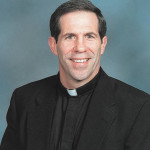
 Detroit — The following is the second part of a Q&A with Auxiliary Bishop Michael J. Byrnes on the Archdiocese of Detroit’s evangelization initiative, part of which will include a synod in the fall of 2016. Read the first part, which ran in our June 12 issue, at www.themichigancatholic.com.
Q:How does the 2016 synod tie into the Archdiocese of Detroit’s evangelization initiative?
BISHOP BYRNES: The synod for 2016 is historically the follow-up to synod 1969, which was the first adoption of the Second Vatican Council. It was through Synod ’69 that we started to have parish councils, stewardship commissions and worship commissions, but essentially the culture of the Church shifted significantly from the priests and nuns being the heart of leadership and ministry in the parish to bringing the laity into parish ministry and in a certain way parish governance.
In some ways we see Synod ’16 as a way of furthering that adoption of the Second Vatican Council. The Decree on the Apostolate of the Laity makes clear that the first task of the laity is evangelization and the sanctification of souls. When you look around, we haven’t really adopted that. We’ve brought the laity in and strengthened the parish ministry, but apostolate means “to send.” So we really see this as doing the second part: How do we send the lay faithful into the apostolate of evangelization?
Q: Can certain programs, such as Alpha, ChristLife or Called and Gifted, be helpful for parishes in learning to evangelize?
BISHOP BYRNES: There’s a certain kind of experimentation. Is this the direction we go? What works? What doesn’t work? Each parish is going to have to assess for themselves how God is calling them to reach out and what tools can help us in the work of evangelization. We’re all on a learning curve. We don’t have this preconceived notion or a master plan of how this is all going to work. That’s part of the reason we’re having a synod, because we have to talk about it.
Q:What does an evangelizing parish look like?
BISHOP BYRNES: An evangelizing parish knows Jesus has taken the initiative with them. We call it eternal life, but it’s eternal life from baptism on.
The first sign of an evangelizing parish is that they’re aware that God is using us as His apostles to bring the word. The activity of the parish is focused on mission. Some people have said to me, “OK, we’ve done Alpha, now what?” (And my answer is) “Do it again.” The first few times you do Alpha or ChristLife, you’re going to catch a bunch of people in your parish. There’s going to be big numbers. But not everybody has gone through it. There’s plenty of other people out in this neighborhood who haven’t gone through it; that’s your mission.
An evangelizing parish knows that evangelization is tough. We might not have this great movement like the Great Awakening back in the 1800s. No, it’s day-to-day living and inviting people to come to your parish and to something like Alpha to say, “Here’s Jesus.” It’s hard work, but an evangelizing parish is committed to that, and the whole community is committed to welcoming new people in.
Q: What kind of role will intercessory prayer play going forward?
BISHOP BYRNES: One of the ways in which we’ve focused on intercessory prayer is to experience it. We got together with some parishes where evangelization was going on, and we asked, “What sparked this?” And their answer was, “We had a group of people who were just praying for a couple of years that evangelization would really start to happen in this parish,” and that really led somewhere.
Intercessing is a way of recognizing that and appealing to God to lead us, to send the Spirit ahead of us to prepare the way. It sounds theoretical, but on the practical level, that’s what’s worked! God does send His Spirit ahead of those who are sincerely seeking Him.
Q: Beyond the synod, in 2020, let’s say, how will we know if our efforts have been successful?
BISHOP BYRNES: The real litmus test is the next generation. Does the next generation take this forward? I think we’ve got another 20 years to find out. I’m still a young bishop, in my 50s. I wonder if I’ll see that by the time I die.
In the short term, we should expect more joy in our parishes. When you walk into church on a Sunday, there’s a buzz of life. There are some parishes where that’s happening, where the Sunday obligation is the Sunday opportunity. We’ve prayed for transformed liturgies for years, since the Second Vatican Council. Well, if you get a bunch of transformed people together, you’ve got a transformed liturgy — more vibrant, more connecting personally, communally in praise and song.
Parishes will see more people coming into the RCIA. The work of the Church certainly grows from within, through our families, but we’ll see more people entering the Church. I think we should expect that, and that will be a mark if this is taking hold among us.